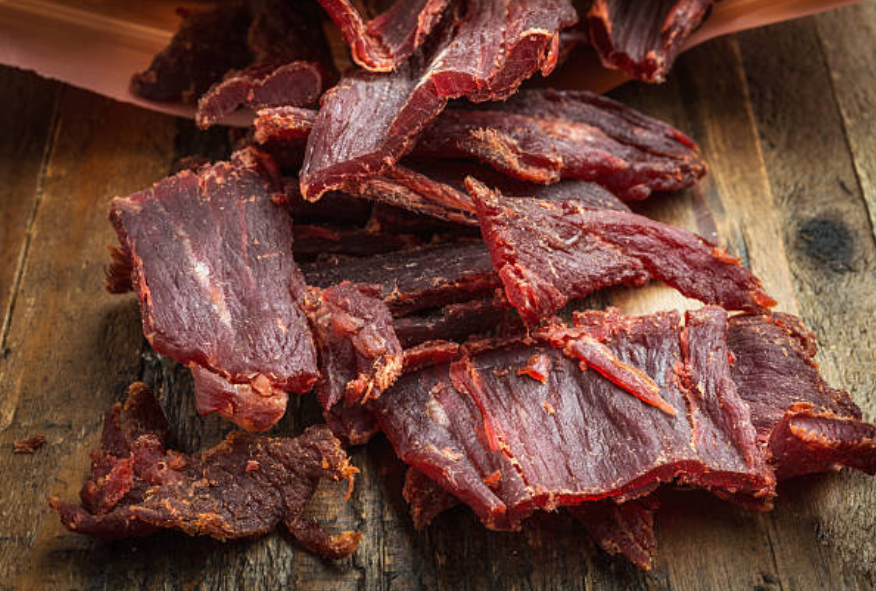
Dry aging is the process of aging meat such as beef by controlling the temperature and moisture of the container and draining the beef from excess moisture that could make bacteria grow and thus making the meat develop even more flavor and tenderness. A regular steak couldn’t hold a candle compared to a dry aged steak because the flavor and tenderness developed from the dry-aging process are off the charts. Please continue reading to find out the dry-aging process and how it works.
Dry Aging Process

The process dates back to the 50s by butchers that tried to create a tenderer and tastier cut of beef, and it turns out the experiment was a huge success, and the simplicity of the method is what makes it brilliant. All types of meat can be dry-aged, and the process can help the meat to develop flavor and become more tender. Here’s how you dry age meat:
- Prepare the meat by finely cutting it into large chunks from the loin or rib area.
- Rinse the cut of meat, then use paper towels to dry it.
- Wrap the meat with three layers of cheesecloth and put it on a tray or a rack to let them rest.
- Put the meat inside a fridge and let it be for a week to make the meat even tastier, but don’t forget to unwrap the cheesecloth and rewrap it again after the first day to avoid it sticking to the meat.
- After a week has gone by, you can begin to unwrap the meat and start working on it with the knife to remove the unwanted parts.
The aging process end result is similar to how a wine taste even better the longer you let them sit or cheese. This, fortunately, produces the same result as dry-aged meat, and we can all benefit from the intense flavor.
Why They Don’t Spoil

When you dry age meat, you control the amount of moisture the meat has and also the humidity to avoid it being broken down by bacteria and speed up the rotting process. Dry aging keeps the meat’s natural juices from exfiltrating, and the bones shield the meat and keep it in place, so the flavors are richer and denser. So, it is of most importance that you keep the bone inside the meat when you begin the dry-aging process and control the temperature; if the room is too hot, the meat will begin rotting, and if it’s too cold, the meat will freeze, so you need to keep it at a level temperature for it to dry age.
The Takeaway
The dry-aging process has benefited many restaurants to prepare the finest steaks they could offer their customers, and frankly, the simple process is what made the practice a global phenomenon. Dry-aged steaks have a richer taste, and their tenderness is to die for, and if you don’t know of their process, now you know!