The Top Reasons to Use a Thermal Scope When Hunting post thumbnail image

In any sport, it is crucial to be as prepared as possible. This is especially true in hunting, where the slightest mistake can lead to a missed opportunity or, worse, putting an animal down unnecessarily. One way to give yourself an edge over the competition is to use the best thermal scope for ar15. This blog post will discuss why you should consider using one when you next go hunting!

They Help You See in the Dark

One of the main advantages of using a thermal scope is that it can help you see in the dark. This is because they detect the infrared radiation emitted by objects, which means they don’t rely on visible light to function. It is beneficial when hunting at night or in low-light conditions, as you can see your target more clearly.

hunter

They Can Help You Spot Hiding Game

Another benefit of using a thermal scope is that it can help you spot a game that is hiding. This is because the heat signature of an animal will be visible even if it is behind the cover. It means you can find and track games that would otherwise be hidden from view.

They Can Help You Identify Sex of an Animal

Another useful function of thermal scopes is that they can help you identify the sex of an animal. It is because male and female animals have different heat signatures due to their reproductive organs. This information can be helpful when deciding whether or not to shoot an animal, as you will be able to tell if it is a male or female. In addition, some hunters prefer only to shoot male animals to help reduce the population of a particular species.

They Can Help You Judge the Age of an Animal

In addition to helping you identify the sex of an animal, thermal scopes can also help you judge the age of an animal. This is because younger animals tend to have higher body temperatures than older animals. This information can be helpful when deciding whether or not to shoot an animal, as you will be able to tell if it is young or old.

There are many benefits to using a thermal scope when hunting. They can help you see in the dark, spot game that is hiding, and identify the sex and age of an animal. In addition, they can also help judge the distance to your target. If you are looking for an edge over your competition, consider using a thermal scope the next time you go hunting.

Related Post

customer

Four Keys to Stronger Client RelationshipsFour Keys to Stronger Client Relationships

In business, the client is always right. This may be a saying that you’ve heard before, but it applies to more than just customer service situations. When you maintain a good working relationship with your clients, they are more likely to continue using your services and recommend you to others. This Phone answering service can help you build strong relationships with clients without having to do much. But deep down, you need to have a strong foundation for building and maintaining stronger client relationships. Here is how you can do it and why it is important.

Apply the Basic, Golden Rule

customerA saying goes, “Treat others the way you would like to be treated,” is there for a huge reason. This is key when interacting with clients. Respectful communication and politeness will go a long way in keeping your clients happy. Be mindful of how you talk to them, as well as other people associated with the company. Show compassion for their needs and do your best to accommodate them. On top of that, listen to their feedback and respond to it in a timely manner.

Be Proactive, Not Reactive

Be proactive with your client relationships. Anticipate their needs and take the initiative to reach out before they do so. You can also offer them services that will help them better achieve their goals. Showing you are an expert in your field will help build trust and credibility. A study from Harvard Business Review found that customers want advisors to be proactive in offering solutions and advice.

client

Be Transparent

Being honest with your clients is essential for maintaining a strong relationship. If something goes wrong, don’t hide it from them or try to make excuses. Instead, take responsibility and apologize for the mistake. Transparency can also extend to pricing and services. Make sure your clients know the services they will receive and the costs associated with them before beginning a project.

Get Down to a Very Personalized Level

customerYour clients are more than just customers. To make a deeper connection with them, get down to a more personalized level. Show genuine interest in their goals and business objectives. Ask questions that really get at the heart of what they’re trying to accomplish. This will help you better understand their needs and create tailored solutions to meet them.

But still, set a clear line where you and your client can be on a professional level. Ultimately, strong client relationships are built on trust and mutual respect. By following these four tips, you can foster better connections with your clients that will last for years to come. Doing so will help grow and maintain long-term success in the business world. Building strong relationships with clients will make them more likely to recommend your services and come back for repeat business. So, take the time to invest in these relationships, as it will pay dividends in the long run.

Insurance and Safety in Home Removal ServicesInsurance and Safety in Home Removal Services

Relocating to a new house can be an exciting adventure, but it also entails a range of challenges. Moving abroad or locally locally always entails the most significant concern people have – ensuring the safety of their belongings throughout the entire process.Hiring professional home removal services can alleviate some of the stress, but it’s crucial to understand how insurance and safety measures play a vital role in protecting your precious cargo. Below are details on the importance of insurance coverage and safety precautions when opting for home removal services.

Insurance Coverage

When selecting a professional home removal service, one of the first questions to ask is whether they provide insurance coverage. A reputable moving company should offer several options, including transit insurance, comprehensive insurance, and third-party liability coverage. Transit insurance covers any damages that occur while your belongings are on the move.

Comprehensive insurance protects against damages due to unforeseen events like fire, floods, or accidents during the packing and unpacking process. Third-party liability coverage protects you from any damages caused to others’ property during the moving process.

Evaluating Insurance Policies

Before finalizing a removal company, carefully review their insurance policies. Check the coverage limits, exclusions, and deductible amounts. Read through the terms and conditions thoroughly to ensure you understand exactly what is covered and what is not. If anything seems unclear, don’t hesitate to seek clarification from the company’s representative.

Additional Safeguards

Reputable home removal services should have stringent safety protocols in place to minimize potential damage. Look for companies that provide experienced and well-trained staff who handle items with care. Pay attention to whether they use proper packing materials. Additionally, inquire about their equipment and techniques for securing items during transportation.

Creating an Inventory

Note down any existing damages or imperfections to support any potential insurance claims. Taking photographs of valuable items can also serve as visual evidence if needed. This meticulous record-keeping will assist you in documenting the condition of your belongings before and after the move, thus streamlining the claims process if required.

Conclusion

When entrusting your precious cargo to a home removal service, prioritizing insurance coverage and safety measures is crucial. By carefully evaluating insurance policies, understanding their limitations, and ensuring that the moving company has robust safety protocols in place, you can take proactive steps to protect your belongings during the relocation process.

Remember to document your possessions, communicate openly with the movers, and address any concerns promptly. With the right precautions in place, you can enjoy a smoother, stress-free move and ensure the safety of your valuable possessions.

Assessing Fire Damage: What to Look For Before Selling Your HomeAssessing Fire Damage: What to Look For Before Selling Your Home

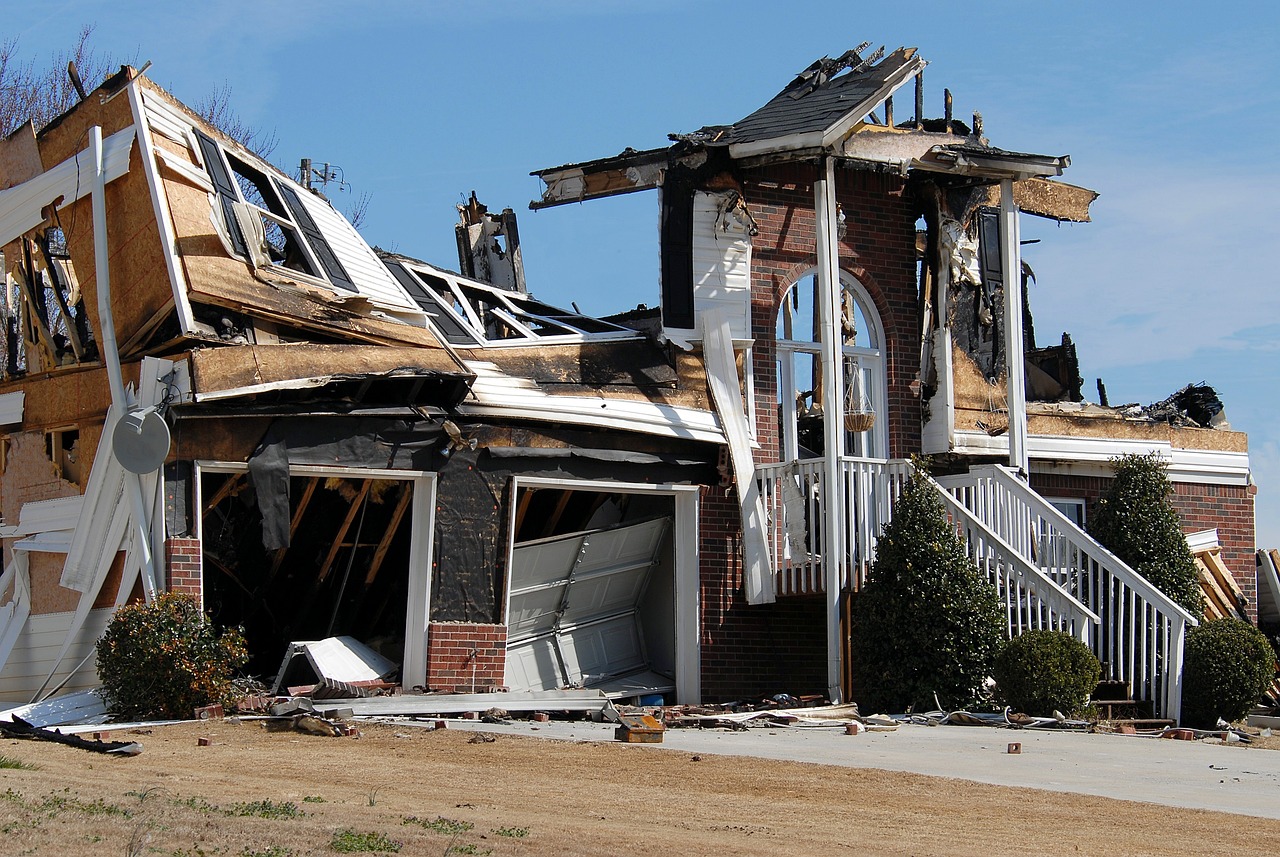
Selling your home after it has experienced fire damage can be a challenging and emotional journey. While the process may seem daunting, taking the time to assess the extent of the damage and making necessary repairs is essential to ensuring a successful sale. You can still sell fire damaged home and get a fair price, but it’s important to know what to look for before putting your property on the market. In this article, we will explore the key aspects of assessing fire damage before selling your home, empowering you to make informed decisions and present your property in the best possible light.

Safety First

Before diving into the assessment, prioritize safety. If the fire damage is extensive, it’s crucial to ensure that the property is structurally sound and free from any immediate hazards. Conduct a thorough safety inspection or hire a professional to do so. Safety is paramount for you, your family, and potential buyers.

Structural Assessment

A comprehensive structural assessment is a critical first step. Look for signs of damage to the foundation, walls, ceilings, and roof. Pay particular attention to:

  • Foundation Integrity: Cracks, shifts, or any signs of structural compromise.
  • Wall and Ceiling Damage: Scorch marks, warping, or weakened structural elements.
  • Roof Condition: Damage to the roofing materials and support structure.

Smoke and Soot Damage

Smoke and soot can extend far beyond the immediate fire-affected areas. Assess the extent of smoke and soot damage throughout the house, paying attention to:

  • Discoloration: Walls, ceilings, and personal belongings may show signs of discoloration.
  • Odor: Lingering smoke odors can be a significant turn-off for potential buyers. Consider professional deodorization.

Water Damage

Water damage is another major concern after a fire. Whether it’s from the fire department’s efforts or a broken utility line, water can cause extensive damage to your home’s structure and personal belongings. Look for signs of:

  • Mold and Mildew: Water damage can lead to mold growth, posing health hazards.
  • Rotting: Wood and other materials affected by water can begin to rot and compromise structural integrity.
  • Stains: Water stains on walls, ceilings, and flooring can indicate water damage.

Electrical Systems

Fires can cause significant damage to your home’s electrical systems. Before selling, it’s vital to have a professional electrician inspect and repair any damaged wiring or outlets. Buyers will often request proof of a recent inspection before finalizing a sale.

Don’t Hide Anything

When it comes to selling a home with fire damage, honesty is always the best policy. Disclose all information about the fire and the resulting damage to potential buyers. Not only is this ethically responsible, but it can also protect you from any legal issues after the sale.

In Conclusion

Assessing fire damage before selling your home is a crucial step to ensuring a smooth and successful transaction. By addressing safety concerns, thoroughly evaluating the damage, and making the necessary repairs and disclosures, you can present your property in the best possible light and empower potential buyers to make informed decisions. Remember, while selling a fire-damaged home may be challenging, with the right approach, you can still find the right buyer who sees the potential in your property.